July 19–20 and July 26–27, 1952 · Washington, D.C., USA: Washington National Airport, Andrews Air Force Base and Bolling Air Force Base
Washington, D.C. UFO Wave
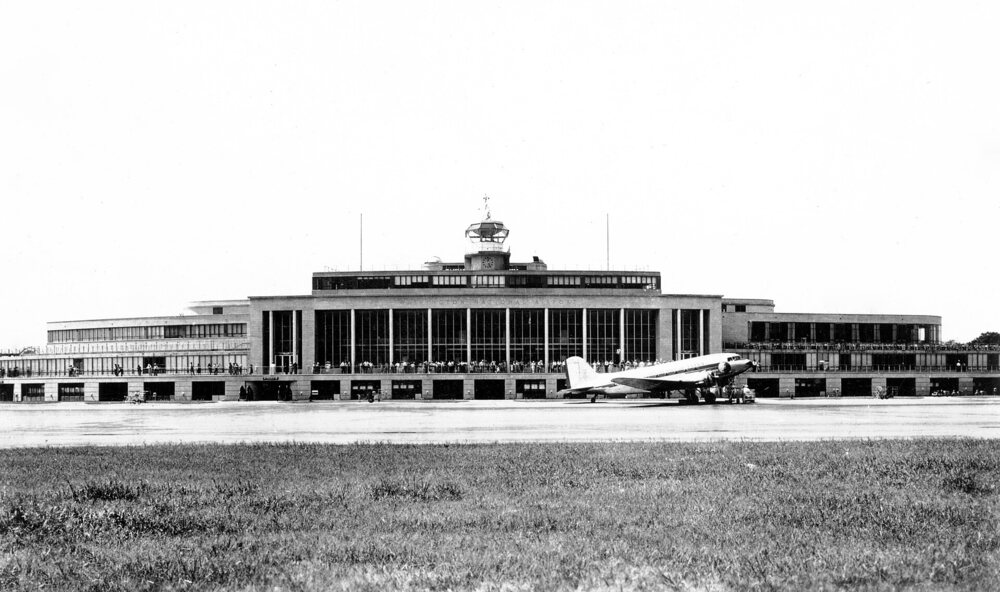
Witnesses Dozens of professionals. For the night of July 26–27 alone, an Air Force Intelligence report to Blue Book lists 9 controllers at the ARTC center and 2 tower operators. It also lists a CAA flight inspector, airline pilots and F-94 crews. On July 20, five people at Andrews saw three reddish-orange objects.
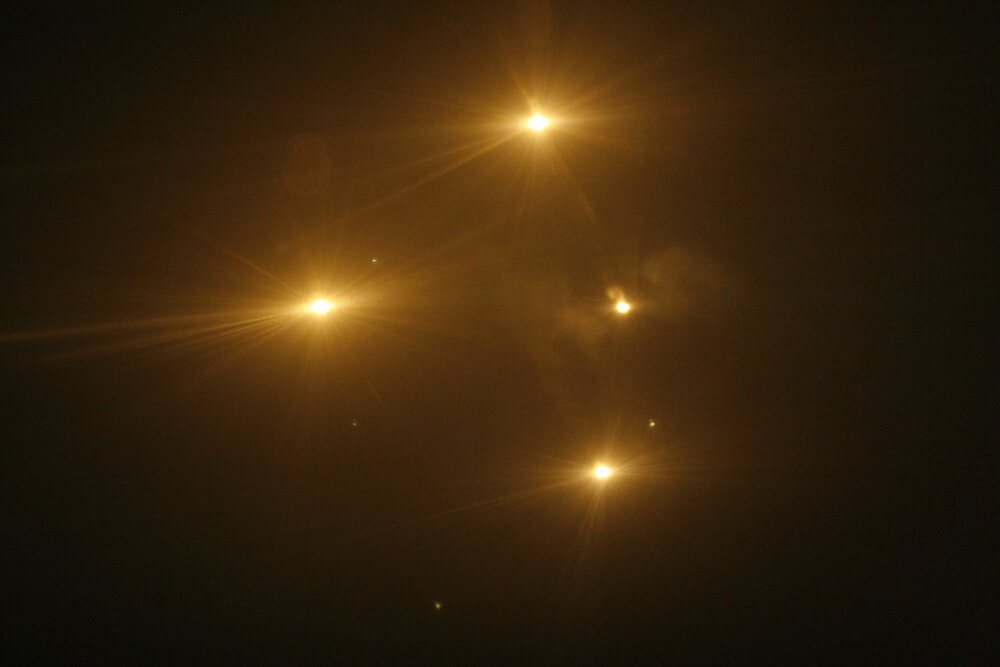
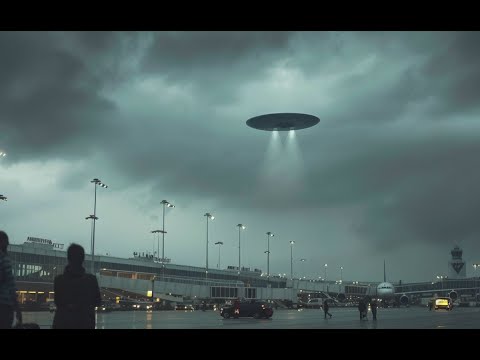
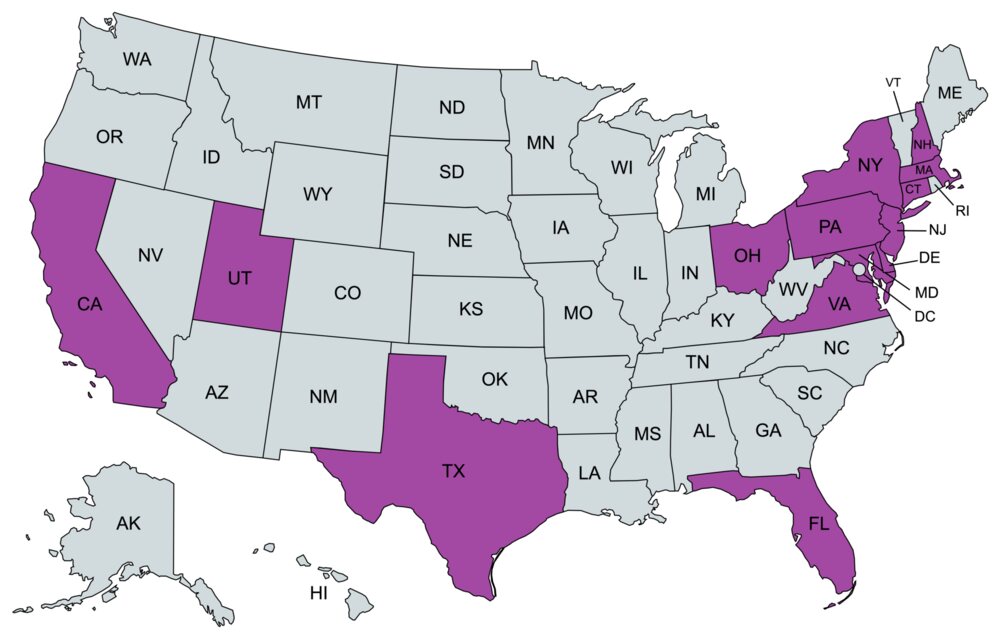
On two Saturday nights in a row, radars at National Airport and Andrews picked up unknown targets. The targets were slow and sometimes sped up suddenly. Airline and military pilots saw white or orange lights where the radar showed the targets. A Capital Airlines captain described them “like falling stars without tails”: they rose, dropped and hovered.
Images and videos


Timeline
- July 19, 1952, 11:40 p.m.The ARTC center radar at National Airport picks up unknown targets. Andrews and Bolling also record returns.
- July 20, 1952, around 1 a.m.A Capital Airlines pilot sees six lights. Chief controller Harry Barnes says they matched the radar returns.
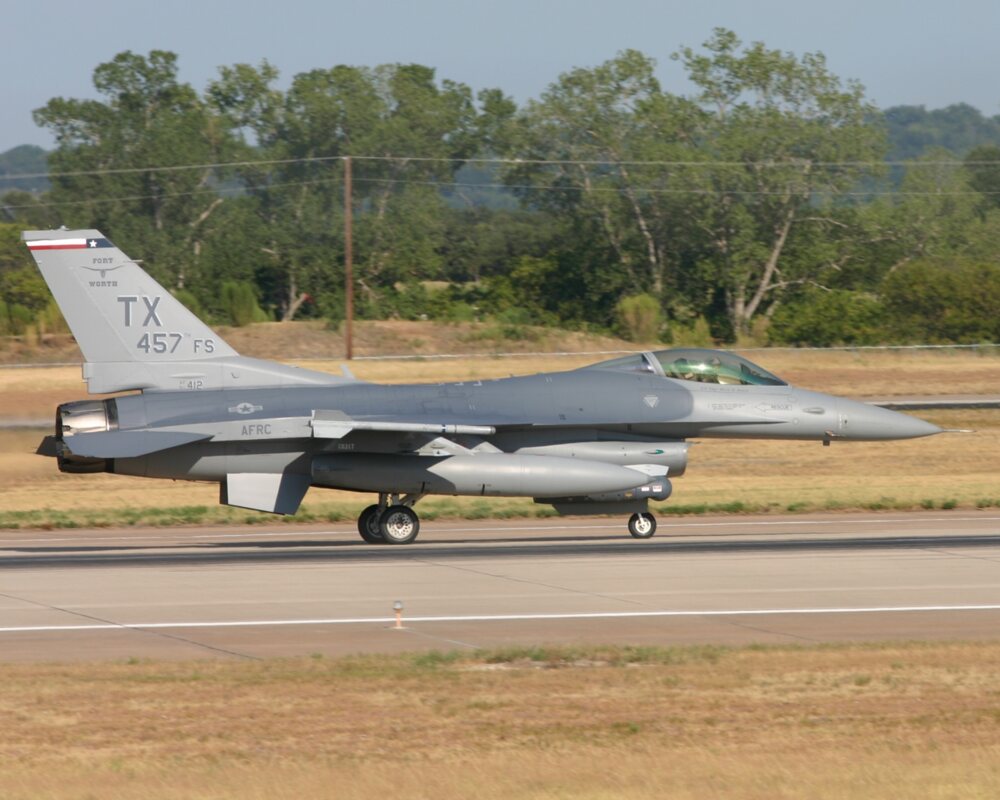
- July 20, 1952, after 3 a.m.F-94 fighters arrive. The returns vanish when the jets get close and come back when they leave.
- July 26, 1952, 9:50 p.m.Up to 12 targets show up at once on the ARTC radar. At 11 p.m., two F-94s take off, and one pilot sees lights he can't catch.
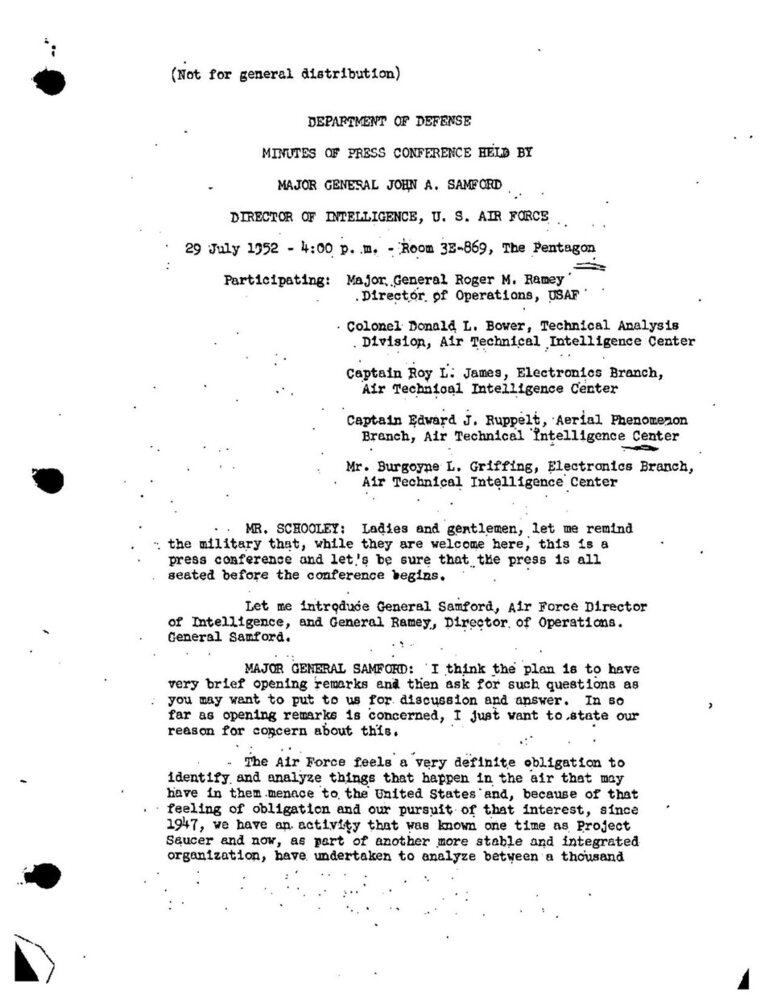
- July 29, 1952, 4 p.m.At the Pentagon, General John Samford holds the Air Force's biggest press conference since World War II. Temperature inversion becomes the explanation given to the public.
Investigation
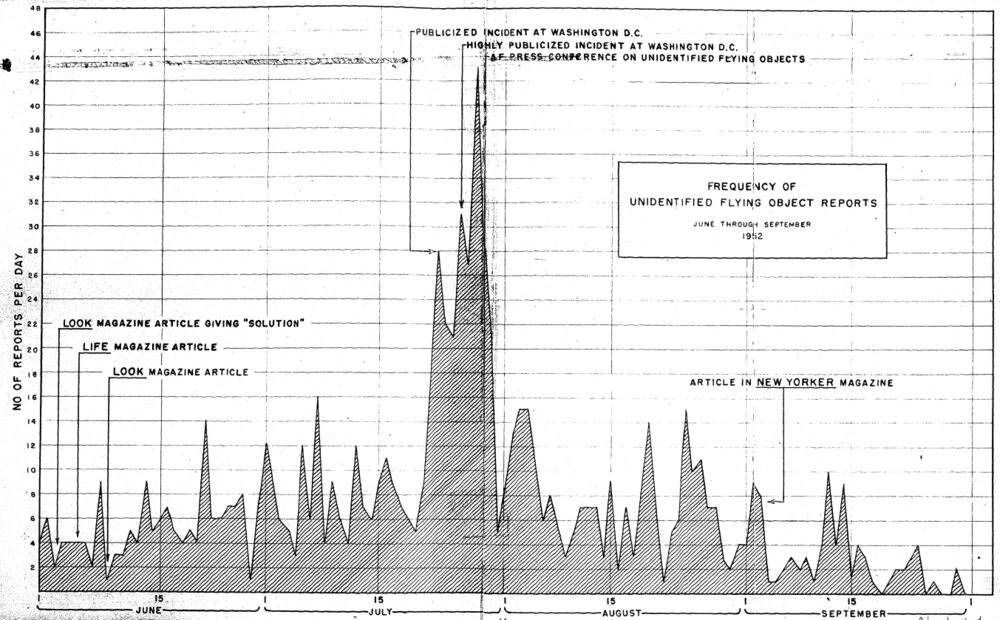
According to the CIA, the spike in reports in July 1952 alarmed the Truman administration. The Air Force suggested temperature inversions, and a study by the Civil Aeronautics Administration (CAA) backed that idea. The CIA formed a study group, which led to the Robertson Panel in January 1953. Edward Ruppelt, head of Blue Book, wrote that each night's inversion was too weak to produce those returns. He logged both episodes as “unknowns.” Samford admitted there were still reports from “credible observers of relatively incredible things.”
Readings side by side
For the Air Force and the CAA, temperature inversions produced false returns, and the lights were stars, meteors and city lights. Astronomer Donald Menzel and journalist Philip Klass, of Aviation Week, defended this reading. In 2002, Klass pointed out that 1952 radar did not filter out ordinary targets well.
In his book Flying Saucers from Outer Space, writer Donald Keyhoe argued that the Air Force chose to debunk the saucers to avoid panic. Ruppelt disputed that version. Physicist Bruce Maccabee cited a 1969 Air Force study on mirages to argue that the inversion on those nights was not enough.